
|

|
Офис в Москве: м. Алексеевская, ул. Годовикова д. 9, стр. 2 |

|
Мои заказы |
|
||||||


8-800-500-94-52
бесплатный звонок по всей России
мы работаем: пн-пт: с 9:00 до 18:30
сб, вск, праздники – выходные
8 (495) 980-68-88
заказать обратный звонок
или напишите нам на почту
 спросите нас в MAX
Blackmagic Design
|
|
Blackmagic - одна из лидирующих компаний в области разработок новейших видеотехнологий и производства аппаратных решений для работы с видео.
|
||||||||||
|
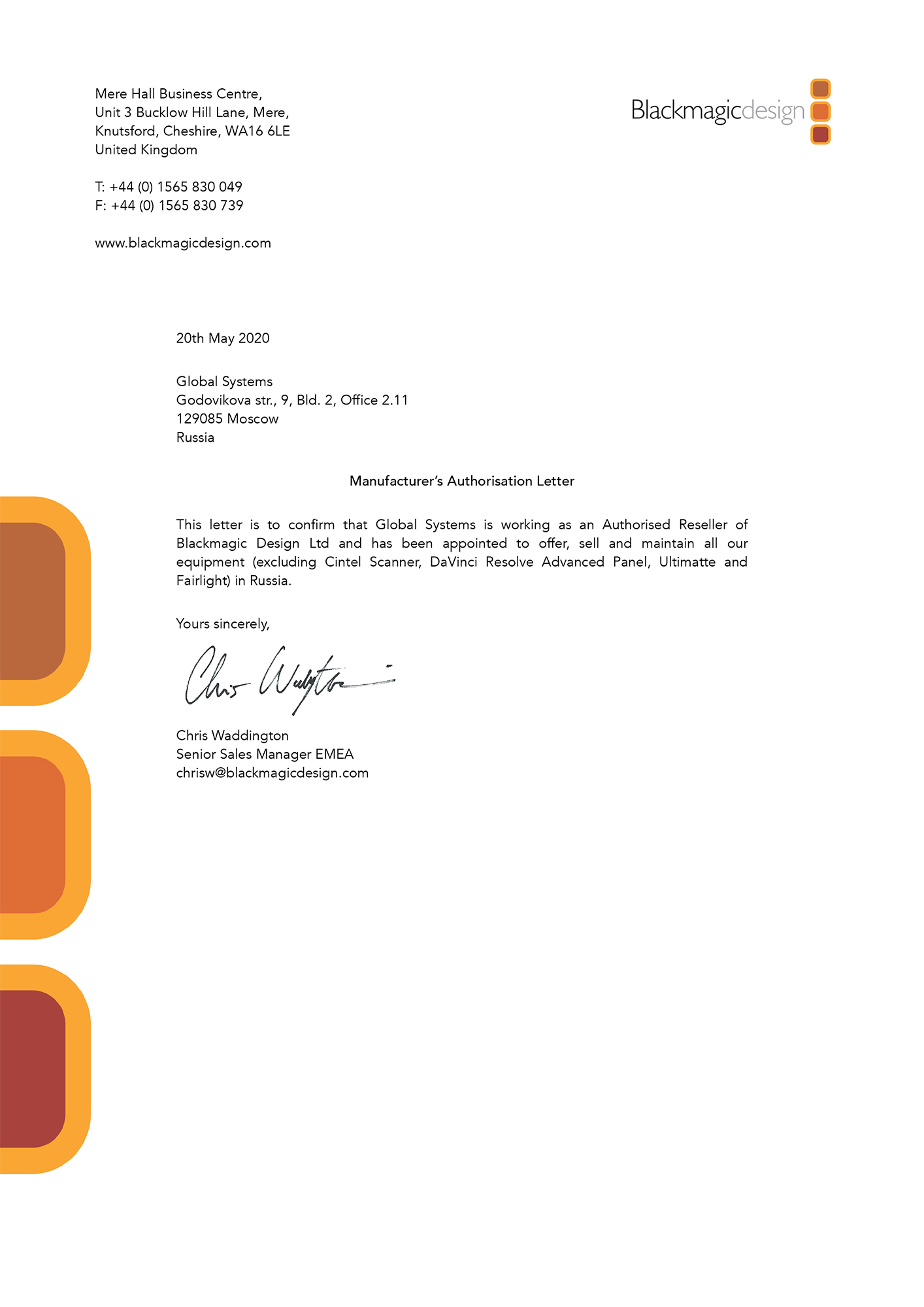
Наша компания является официальным дилером Blackmagic на территории России и предлагает своим партнерам выгодные условия сотрудничества
|
|||||||||||
|
Наши сертификаты |
|||||||||||
|
|||||||||||
|
Почему лучше покупать у нас? |
|||||||||||
|
|||||||||||
Patched Firehose File For Poco X3 Pro %5btop%5d Work Today: Use a Test Point method (shorting two pins on the motherboard) or a specialized tool like AMT Tool to put the device into EDL mode. : Rename the patched file so it exactly matches the name of the original file you removed. : You must have the Qualcomm HS-USB QDLoader 9008 drivers installed. If you see a yellow warning in Device Manager, you may need to disable driver signature enforcement on Windows. Patched Firehose File For Poco X3 Pro %5BTOP%5D : Firehose files are often specific to certain MIUI/Android versions or hardware revisions (Vayu vs. Bhima). Using an incompatible file can lead to permanent hardware damage or persistent "Sahara" communication errors. Modern Xiaomi devices, including the POCO X3 Pro, have a locked EDL mode. Standard firehose files require a cryptographic signature from Xiaomi's servers to authorize the flashing process. A "patched" or "no-auth" firehose file contains modifications that skip this check, enabling you to use tools like MiFlash or QFIL to repair a hard-bricked device that cannot enter Fastboot or Recovery. How to Use the Patched Firehose File : Use a Test Point method (shorting two : In the firmware folder, navigate to the images directory and find the file named prog_ufs_firehose_sm8150_ddr.elf (or similar). Replace with Patched Version : Move the original firehose file to a safe backup location. Copy the patched firehose file into the images folder. : Many POCO X3 Pro "bricks" are actually caused by CPU or RAM solder failures. If a patched firehose file still fails to flash, the issue may be a hardware defect rather than a software lock. If you see a yellow warning in Device A for the POCO X3 Pro (codename vayu or bhima ) is a modified version of the programmer file used in Emergency Download (EDL) Mode . It is designed to bypass the mandatory Xiaomi server authentication normally required to flash firmware via EDL, allowing users to unbrick devices without an authorized Mi account. Why You Need a Patched Firehose File : Open the XiaoMiFlash tool, select the firmware folder, and click Flash . The tool will now use the patched file to communicate with the phone without asking for a server login. Critical Risks and Requirements |
|||||||||||
|
Наши видео о Blackmagic
Содержимое блока недоступно, т.к. в браузере отключен JavaScript
|
|||||||||||






|
|||||||||||||
.png)


Нашли ошибку? Выделите текст и нажмите Ctrl+Enter