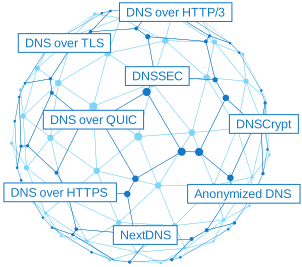
YogaDNS automatically intercepts DNS requests at the system level and allows you to process them over user-defined DNS servers using modern protocols and flexible rules.
A combolist is essentially a structured text file, typically in a username@email.com:password format, that aggregates credentials from multiple security incidents. The "new" aspect of these lists highlights a shift in the cybercriminal economy:
: Automated frameworks like OpenBullet and Sentry MBA test millions of combinations from these lists against popular sites like Netflix, Spotify, or banking portals. combotxt new
: Modern attackers now prefer URL-Login-Password (ULP) files, which include the specific website URL where the credentials work, making attacks much more targeted and efficient. A combolist is essentially a structured text file,
: Once a "hit" is confirmed, attackers take over the account to steal funds, personal data, or use the identity to spread further malware. : Once a "hit" is confirmed, attackers take
Cybercriminals use these "combotxt" files in conjunction with to gain unauthorized access to accounts:
: Criminals now offer subscription models for these lists, providing regularly updated, searchable databases through Telegram channels and dark web forums. How They Are Used
: While older lists relied on historical data breaches, "new" combolists are increasingly powered by infostealer logs from malware like LummaC2 or RedLine, which capture active, real-time login credentials.